
The smell of Autumn’s in the air so it’s time to sit down in a quiet corner of your garden, patio or outside space and reflect on the things that have worked, and haven’t worked, this year. September is a great planning and planting month so start ordering those new roses, shrubs, bulbs and other plants that you need. Autumn is really the best time for planting … the soil is still warm and the seasonal rains will get plants established before winter sets in.
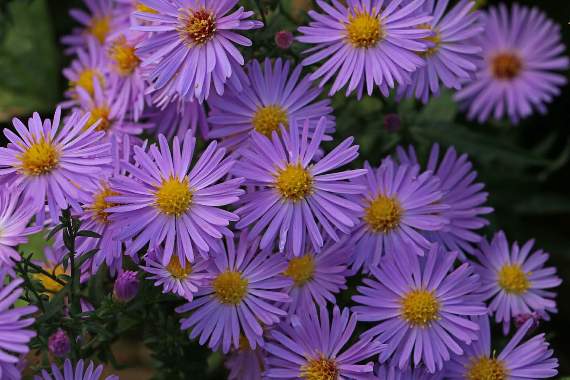
Keeping colour in borders for as long as possible is also at the top of the ‘to do’ list for September, so you may like to consider incorporating late Summer or Autumn flowering plants such the Aster.
Also known as the Michaelmas daisy as it flowers around the time of Michaelmas Day on the 29 September, the Aster has long lasting bloom appeal which makes it a great cut flower. Asters come in blue, purple, red, pink and white each with a yellow centre and are easy plants for beginners to try in the garden. They thrive well in drained, fertile soil that retains moisture and prefer full sun or partial shade.
Other options for Autumn colour are favourites such as the Japanese anemone – tall and bold with their simple flowers in shades from pink to white; Sedum – with foliage colours from green to grey and deep purple and flowers in eye-catching white, pink and red; or the great all round performer Verbena valued for its tall branching stems topped with clusters of purple flowers.




September is when autumn begins to creep into your garden, but that doesn’t mean it’s time to let it all go to seed – far from it as the gardening experts point out ...
September is generally a cooler, gustier month than August and the days are noticeably shorter. While there’s not as much to do in the ornamental garden at this time of the year, if you have a fruit or vegetable patch, you’ll be busy reaping the rewards of harvest. It’s also time to get out and start planting spring-flowering bulbs for next year and you can collect seeds for next summer’s colour too. Make the most of the remaining warmth while you can!
RHS
Summer-flowering herbaceous perennials can be lifted and divided this month. Most perennials need to be divided every three to five years, as the plants get too big for the space and become congested. Tender perennials like fuchsia, petunia, salvia, verbena, penstemon and chrysanthemum are all propagated by cuttings – just find some strong, young growth that hasn’t flowered this year, and cut beneath a leaf joint, making a cutting of 5 – 10cm. Strip off the leaves from the lower stem, leaving just one or two pairs. Dip the end in hormone rooting powder, replant in pots of compost and put them in a propagator for six to ten weeks. Once cuttings have rooted you can repot them. Finally, give hedges and evergreens a last trim to keep them looking tidy through the winter.
David Domoney, TV gardener and presenter
Plant up containers for autumn interest, using cyclamen, heathers, heucheras and other colourful bedding plants. You can also plant prepared hyacinth bulbs in pots or hyacinth glasses, for fragrant indoor flowers at Christmas. In the garden, rake thatch from lawns and aerate well-trodden areas by spiking with a garden fork, and re-seed bare patches. Put netting across ponds to stop autumn leaves falling in and rotting and water autumn-flowering asters regularly to deter mildew.
Gardeners’ World
If you Grow Your Own then harvesting top fruit such as apples and pears begins in earnest in September. Look for fruit falling under the tree (windfalls) to indicate which apples are ready, but also assess taste and texture to determine whether they are ripe for harvesting. You should also continue to provide support for heavily-laden fruit tree and bush branches. It’s also a good time to order new fruit trees, canes and bushes. Continue to sow vegetables for overwintering, to mature next spring, including: turnip, spinach, winter lettuce and Oriental vegetables. Sow green manures such as crimson clover and Italian ryegrass to act as a soil improver and to cover bare areas. When dug in, they conserve nutrients and improve soil texture.
Comments
This article has no comments yet. Be the first to leave a comment.