
Apple Day events, small and large, are held throughout the UK all through October. It’s a day to recognise the wealth and variety of apples available in your local area and Wales certainly has a wealth to choose from. However, it is also both a celebration and a demonstration of the variety we are in danger of losing, not simply in apples, but in the richness and diversity of our food, the landscape, ecology and culture too.
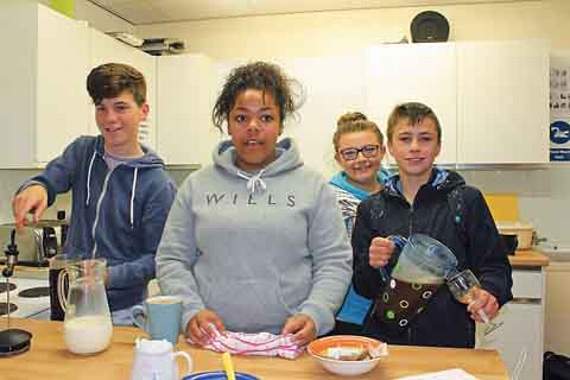
So Pembroke’s community came together to enjoy their apples. Local people brought their own apples to be juiced in the community press that Pembroke 21C Community Association acquired last year with funding from Environment Wales. Tasters were available in the café run by Tanyard Youth Project, who also had a stall selling apple cordials, chutneys, pies and crumbles.
Pembroke 21C CIC had a stall selling their local produce, Pembroke Bread Club were baking apple breads, and Pembroke Wood Turners turned apple wood into apple ornaments. Children had apples painted on their faces and arms and made apple pigs and baked apple roses.

Martin Hayes, an orchardist of 35 years experience, gave a fascinating talk on Orchards and Orchard Workers. Martin lives in Gloucestershire, but has many clients in Wales and gives talks and consultations on large orchards, as well as smaller school and community projects.
“There is a whole revival of interest in apple trees and orchards,” said Elizabeth Gossage, the project manager for Pembroke 21C. “There are lovely local ciders being made and people are beginning to be interested in using the apples growing in their gardens and finding out what varieties they are.”
Pembroke 21C has just received a £15,000 grant from the Welsh Government Environment and Sustainable Development Division for Pollinate Pembroke. The aim is to link up sites throughout the town to create new habitats and attract pollinators.
“Apple Day was an important start to the project,” said Elizabeth. “Eventually we would like to map all the heritage varieties that are growing in the town and plant more heritage varieties.”
Comments
This article has no comments yet. Be the first to leave a comment.