

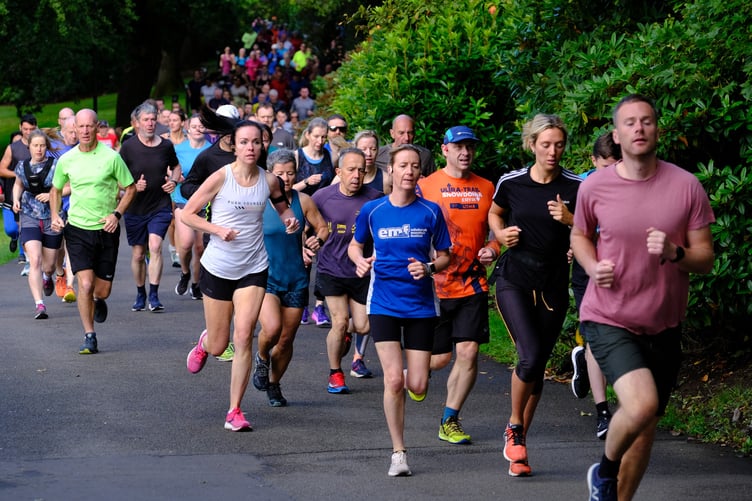
NEW research from the University of Stirling has revealed that introducing parkwalkers to parkrun events has led to a surge in those walking the routes.
Every week 400,000 people take part in parkruns across the world, with the launch of parkwalkers - to support those walking the 5k routes - shown to have increased the proportion of new female participants and reversed a decline in the average age of new attendees.
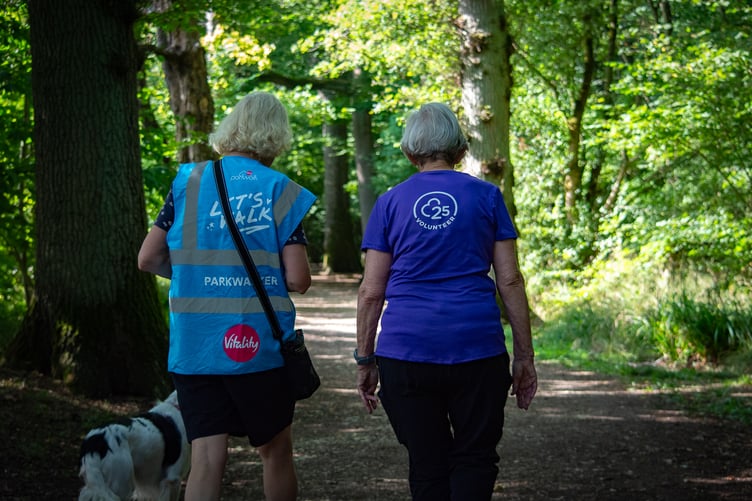
The parkwalker role was introduced in October 2022 with volunteers donning a distinctive vest and asked to offer encouragement and conversation to make walkers feel more welcome at events.
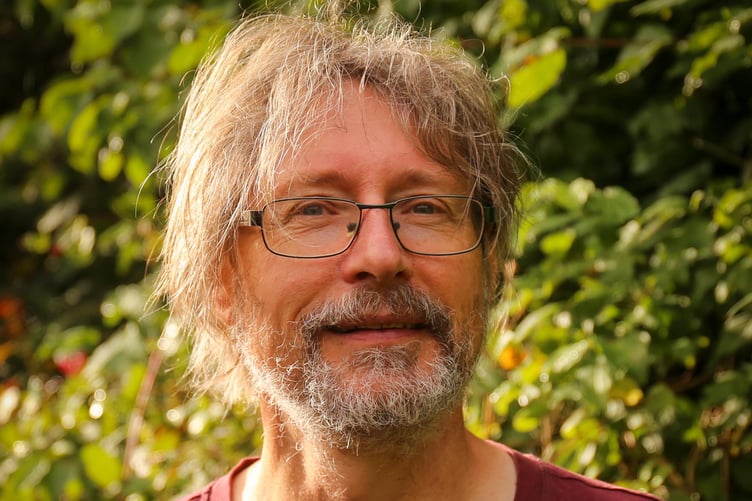
Now a new study by Dr Andre Gilburn, a Senior Lecturer at the University of Stirling’s Faculty of Natural Sciences, has shown that their introduction has been successful in encouraging more people from underrepresented groups to take part, by removing the fear of being too slow that is known to deter people from taking part in physical activity.
The research, which analysed more than 31,000 participants from 68 parkrun venues across Scotland, shows that the number of walkers increased by 54.6 percent at events that partially engaged with parkwalkers and 55.3 percent at those fully engaged with the initiative - compared with 22 percent at those that didn’t.
The study also showed that finishing times became significantly slower at events after a parkwalker was introduced - pointing to an increased number of participants with a reduced pace, most notably women and older attendees.
Dr Gilburn explained: “These findings show that an active leisure event organiser can easily make changes to the social environment at their events that result in increased engagement.
“Introducing parkwalkers has been effective at encouraging older participants and women, therefore it is increasing inclusivity by encouraging those in under-represented groups to engage in parkrun.
“We know that the fear of being too slow is a barrier to engagement with physical activity, and this shows how that barrier can be successfully overcome.”
Dr Gilburn now hopes that practitioners who engage in social prescriptions of parkrun will now prioritise sending patients to events that feature a parkwalker.
He added: “Widely the findings of this study suggest that physical activity in a group context with encouragement from within the group is more effective than lone activity, therefore future initiatives aimed at encouraging walking might be more effective if they promote group walking.”
Dr Hussain Al-Zubaidi, GP and Health Partnerships Lead, parkrun UK said: “This research powerfully shows that small, thoughtful changes to the social environment can remove real barriers to physical activity.
“The parkwalker role has helped make parkrun feel more welcoming, particularly for people who may have previously felt it wasn’t ‘for them’."
The University of Stirling’s campus hosts a weekly parkrun around Airthrey Loch and Dr Gilburn is a regular participant.
The study, Testing the effectiveness of a health intervention that manipulates the social environment at active leisure events in Scotland, was published in the Journal of Public Health Research.
Comments
This article has no comments yet. Be the first to leave a comment.