

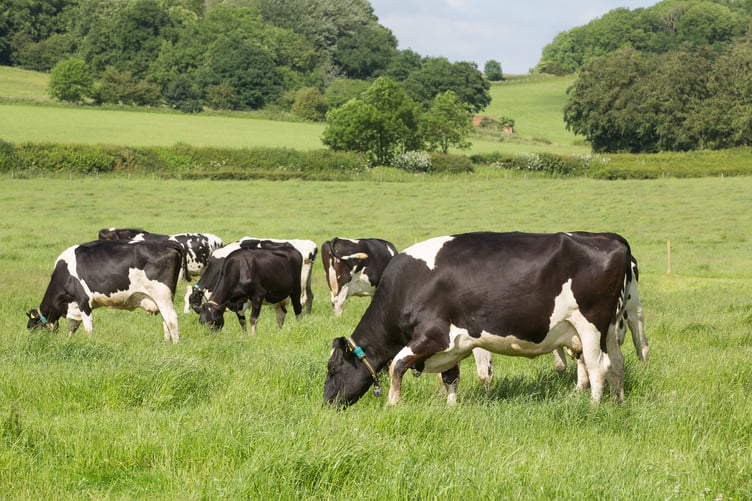
With periods of extreme high temperatures more likely and less predictable in the changing UK climate, dairy farmers need to be more prepared to combat the negative impact of heat stress on health and productivity in their herds.
So says Rumenco’s Technical Services Manager Dr Alison Bond, who warns of milk yield depression, increased mastitis and higher SCCs as possible consequences, and at lower temperatures than many might consider a threat.
She outlines a number of practical steps that can be taken in advance and explains the science behind new nutritional supplements, now available through Rumenco, that have been shown to help cows maintain performance despite heat stress conditions.
“The measurement of heat stress in cattle is derived from a combination of temperature and humidity,” she explains. “When the Temperature Heat Index (THI) reaches 68, cows will be experiencing discomfort and some level of negative impact on their performance, and this can result at temperatures as low as 22°C.




“One of the first effects of heat stress is reduced appetite, with lower dry matter intakes inevitable as a result. This can then lead to sub-optimal rumen conditions, with a corresponding impact on performance. In some studies, cows under heat stress have been shown to suffer drops in milk yield of as much as 20 percent, whilst there can also be an impact on fertility, and a suppression of the immune system.
“Given the scale of the potential impact and the increasingly unpredictable nature of our climate, it is well worth planning ahead in order to mitigate the threat.”
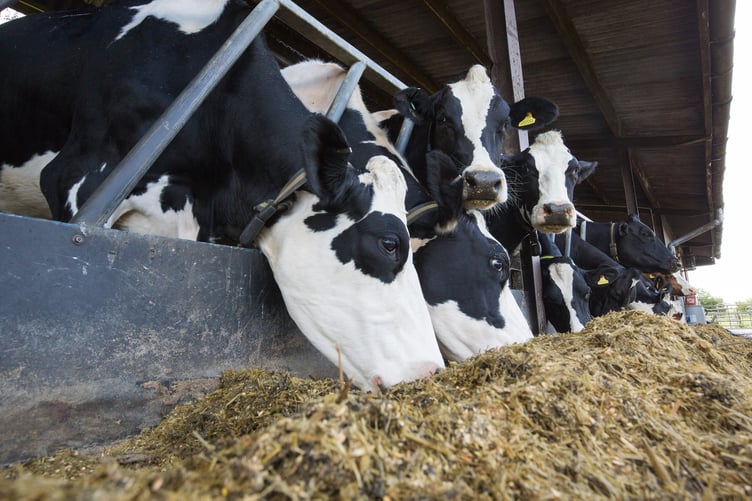
Dr Bond points to the growing importance of yeast cultures and yeast cell wall carbohydrates used in nutritional supplementation, highlighting some focused research that underlines benefits when cows are under heat stress.
“Yeast cultures along with Refined Functional Carbohydrates (RFCs), derived from the yeast cell wall, are biologically active pre-biotics and post-biotics,” she explains, “and they deliver a host of gut health benefits that can then have wider impacts.
“In the case of Celmanax, which is a combination product containing a yeast culture along with enzymatically hydrolysed yeast cell wall complexes (RFCs), studies have been carried out with milking cows under heat stress, with a positive impact on production being recorded.”
In one peer-reviewed study highlighted by Dr Bond, which involved over 700 Holstein cows under heat stress, the inclusion of Celmanax in the ration of treatment groups resulted in a consistent uplift of 1.2kg of milk per day over a 120 day period, when compared with a control group. In another study in crossbred cows in tropical conditions, cows receiving Celmanax showed an improvement in udder health, with a lowering of somatic cell counts being recorded when compared with the controls.
“These results show the effect of Refined Functional Carbohydrates in preparing the immune system ahead of a challenge,” continues Dr Bond. “In the case of extreme heat, this involves suppression of the stress hormone cortisol, thereby avoiding some of the physiological reactions responsible for reduced performance.”
Celmanax is available as a straight feed in 20kg bags for inclusion in total mixed rations or for top-dressing. Rumenco also includes Celmanax in its Maxx Calf Health and Maxx Cattle Booster Plus buckets.
“Free access supplementary feeding with blocks or buckets can be a useful tactic during extreme heat, providing extra protein and energy as well as vitamins, minerals and trace elements,” she adds. “The licking action induced by block and bucket feeding will be beneficial, stimulating the production of saliva to boost rumen function, and they can be located in the shade to help reduce cows’ exposure to the extreme heat.”
In her list of practical pointers, Dr Bond puts ample provision of clean and cold water at the top, urging herd managers to ensure there are no restrictions on cattle at any point of the day or night, whether they are housed or at grass. Use of sprinklers for housed cattle, or in collecting yards when cows come in for milking, is another consideration.
“First and foremost, it’s important to be mindful of the risks of excess heat, and to take action before the issue becomes problematic,” she concludes. “Focus on the higher yielders, as they are the most susceptible and more likely to show symptoms first. If these cows are lethargic, less active, and often panting, then it is quite possible that they are under heat stress.”
Comments
This article has no comments yet. Be the first to leave a comment.