

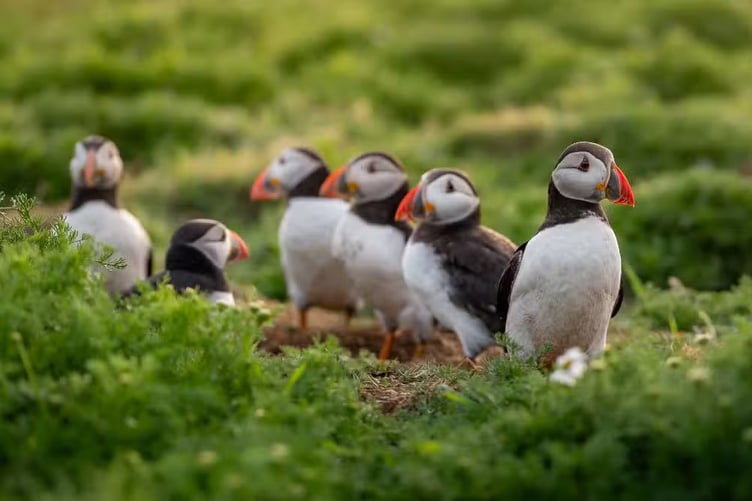
THREE locations in Wales have been named among the UK’s top seven coastal spots for wildlife watching this spring. One is in Pembrokeshire, and another is not far away, near Cardigan.
Searches for “wildlife holidays UK” are up 20 per cent over the past five years and as spring travel plans take shape, with more travellers looking to the Welsh coast for nature-led escapes and unforgettable wildlife encounters closer to home.
The shores of the UK are home to some of the most stunning wildlife creatures we have. During spring months the coast comes alive with seals watching you surf, a pod of dolphins on the horizon and puffins landing close by. You don’t need to travel far to witness some of the best spectacles in Europe for wildlife.
Some of the most impressive spots are the highlight of spring in these areas. Experts at Simply Sea Views reveal the best places to say hello to some of this extraordinary wildlife.


1. Puffins at The Farne Islands, Northumberland
The Farne Islands are just a short boat ride from one of Northumberland’s most visited areas, Seahouses. This spot is home to over 40,000 puffins between May and July and is the perfect location for a day out by the coast. Not only can you see puffins, but the area is also home to around 200,000 different seabirds, sometimes dolphins and grey seals can be spotted here all-year-round.
The best time to visit is early in the morning as the sea is calmer and there are fewer visitors on boat trips. There are guided tours available from the Seahouses harbour, but booking ahead is recommended during spring months due to the island's popularity. During your visit, it is important to stay on marked paths on the island as some birds do not take kindly to intruders near their nests. Hats are also a good idea as the wildlife swarms above.
David Attenborough has cited this impressive spot as one of his favourite places to explore nature in the UK. It is the perfect location to stay, with Bamburgh, Amble, Embleton and other coastal towns only a short drive away.
2. Bottlenose Dolphins at New Quay, Wales
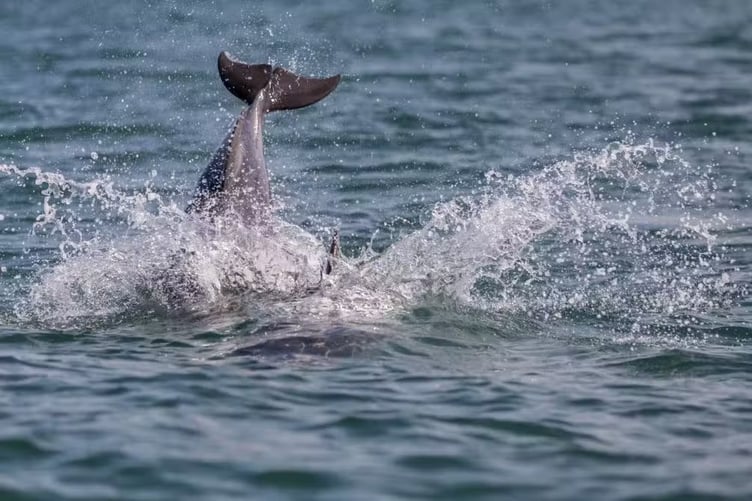
Britain’s biggest pod of resident bottlenose dolphins live in Cardigan Bay and can be spotted almost daily from New Quay’s harbour wall. Other species of dolphins and whales, including orcas and humpbacks, can often be seen from this specially recognised conservation area.
The best time to visit New Quay for wildlife spotting is between spring to early autumn, although sightings are possible all-year-round. Mid-morning on calm days is the best time of day to ensure you will see the dolphins and there are guided boat trips to take you to the best areas. As the dolphins come so close to the harbour wall, there is also an option to kayak near to where they are swimming, however it is important to keep at least 50 meters distance away from them and not surround the pods.
As well as seeing the dolphins themselves, you can also visit The Cardigan Bay Marine Wildlife Centre for free to learn all about the coastal wildlife in the area. New Quay is the perfect location to visit, where you can stay right on the harbour along the water front. Plus, just 200 meters from the mainland, Cardigan Island is a key spot for nesting seabirds and seals.
3. Seals and puffins at Skomer Island, Pembrokeshire
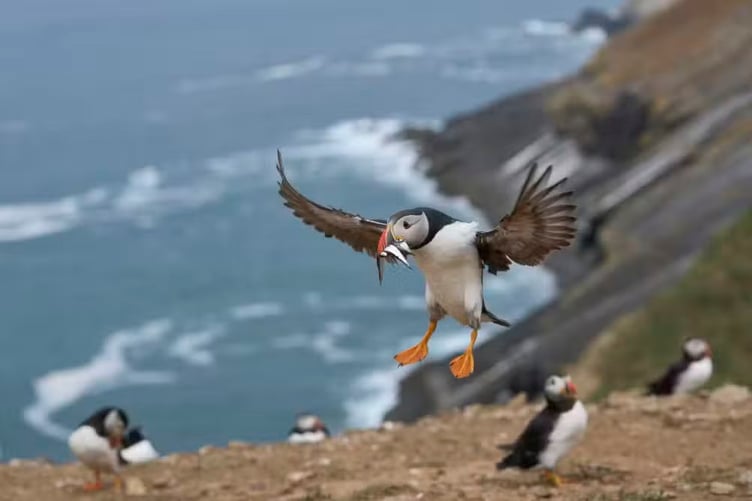
There are around 30,000 puffins that descend on Skomer Island during breeding season in April until July, where grey seals perch onto the surrounding rocks. Dolphin spotting boat tours operate around the island during these spring months, and while you’re not guaranteed to see those sea creatures, it is a great way to spectate the puffins and seals that cover the island.
Only a 20 minute boat ride from the mainland, morning ferries to Skomer Island give you the best time to see birds at their most active. Please note you can’t visit the island on a Monday as it’s closed to visitors, and between Tuesday to Sunday you need to book far in advance as spots fill up quickly during peak season of puffin spotting and visitor numbers are capped to protect the wildlife.
The protected waters of Pembrokeshire also invite dolphins and sharks so are a great place to stay if you’re looking for an eclectic mix of coastline creatures to spot.
4. Seabirds at Bempton Cliffs, East Yorkshire
The RSPB’s Bempton Cliffs showcases one of the UK’s best wildlife spectacles. With viewing platforms along the shore, visitors can watch around 500,000 seabirds between March and October. Colonies that include gannets, guillemots and puffins are perfectly visible for people to see the birds nesting, hatching and thriving throughout the season.
The best time to visit is during April to July as this is peak breeding season and when the puffins arrive. The birds are most active during sunrise and sunset, so these are generally the best times to visit. Often labelled as ‘Gannet City’, heading to watch gannets dive-fishing is unmissable. There are guided walks across the coastlines available, with pre-booking recommended during peak season, as well as an interactive trail visitors can do to learn more about what wildlife to look out for during their stay. It is important for sightseers to stay behind the safety fences around the nature reserve as some viewing spots are located on the cliffs in unfenced and dangerous places.
Seals and porpoises are also sometimes visible from the clifftops. Whitby has also had an increase in Whale sightings over the past few years which is not far North of Bempton Cliffs.
5. Seals and dolphins at South West Coast Path, North Devon
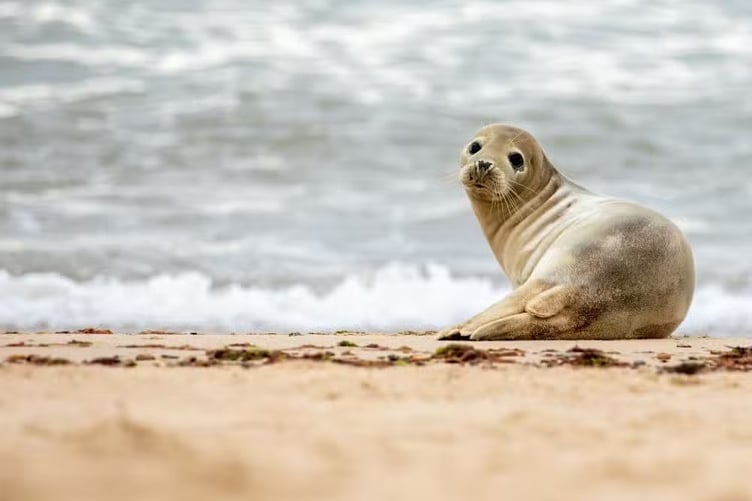
The scenic stretch of path along the South West coast between Woolacombe and Ilfracombe is home to seals in sheltered coves and nesting birds in the soaring cliffs during peak spring and summer seasons. To ensure you are making the most of sighting the seals, it’s recommended to visit the coastline early morning ahead of the beach getting busy. Dolphins can also be spotted and are most active along the coast during the summer months.
There are a number of boat trips that operate from Ilfracombe harbour during the season, but times can vary so make sure to check the schedule on the days you’re planning.
Woolacombe and Croyde are both great options for a sea-view stay, with the in-between ‘Baggy Point’ being a must see spot for wildlife and wildflower meadows alike. The coastal viewpoint attracts butterflies from May onwards to perch on the wildflower cliffs.
6. Gannets at Bass Rock, East Lothian
Referred to as ‘The gannet capital of the world’, Scotland’s Bass Rock is home to the biggest gannet colony in Europe. So much so that from a distance, the tall island appears white. Daily, they demonstrate a spectacle as they plunge-dive at an extraordinary speed into the Firth of Forth bay.
The best time to visit is during April to September, with different times of the day offering varied advantages, such as early morning boat trips to avoid the crowds or afternoon visits offering the best lighting for photography. Boat tours operate from the Scottish Seabird Centre in North Berwick to Bass Rock and the surrounding islands. To ensure limited disturbance for the gannet colony, stepping foot on Bass Rock is restricted, boat tours available only circle the island.
Another stop to take while visiting the area is Moray Firth, a little north of North Berwick, where bottlenose dolphins are regularly sighted from Chanonry Point lighthouse.
7. Seabirds at South Stack, Anglesey
The Isle of Anglesey boasts one of the most dramatic cliffsides in the UK and is a nesting ground for thousands of seabirds. From April to July, puffins, razorbills, guillemots and kittiwakes are just some of the wild birds that nest in the burrows along the shore, all while seals swim in between the rocks below.
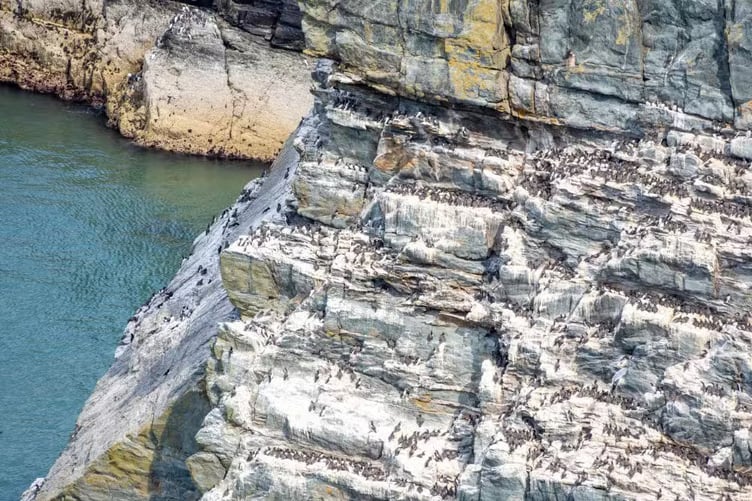
From spring through to autumn, South Stack can be visited as one of the most wildlife-friendly hubs on the west coast. The RSPB spot is stunning to see during the early morning hours for golden light and quiet paths, it opens from sunrise for this reason. Staff are on-site during peak season to help guide visitors and provide wildlife boat trips available from Holyhead.
The reserve protects rare chough birds, so make sure you give them plenty of space when they’re nesting. Bottlenose dolphins, harbour porpoises and even minke whales have also been sighted along the Anglesey coastline during spring and summer seasons, so you won’t be short of spectacles to see.
Matthew Fox, CEO, Simply Sea Views said:
"The UK coastline is genuinely world-class for wildlife, and spring is when it really comes into its own. From the puffin colonies of Northumberland to the dolphin pods of Cardigan Bay, you don't need to travel abroad to have a truly extraordinary encounter with nature. We want people to discover just how much is on their doorstep."
Comments
This article has no comments yet. Be the first to leave a comment.