
Article produced in association with National Garden Gift Vouchers
June is a lovely month to be in the garden – everything is bursting into bloom and you can really enjoy being outside. With the evenings getting longer and brighter you can use your garden or patio as a great extension to your home – whether it’s in the countryside or in a smaller, but equally treasured, urban environment.
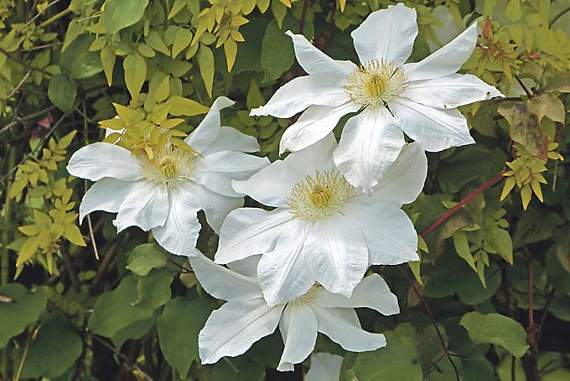
When outside space is at a premium, it’s often a good idea to look at growing climbers so that you can pack as much floral variety as possible into a small area. One of the most stunning, versatile and colourful climbers is the clematis – easy to grow and with varieties that flower at different times of the year. Plant of the Moment for June in garden centres around the UK, clematis can be grown in containers trained up an ornamental obelisks or wigwams of canes or hazel poles to create a focal point to your patio – compact varieties are perfect for this. If planting into beds then don’t feel obliged to provide a structure or trellis for support as many clematis can simply be planted in amongst shrubs and left to grow up through them for support. Dozens of clematis varieties are available, with new ones being introduced every year, in varying shades of colourful pink, red, purple, lilac, blue, cream and white. Most enjoy their heads being in the sun, but some will also grow well in partial shade.
Sun and colour are two things that the garden is benefiting from this month, but as the longest day of year arrives the gardening ‘to do’ list also gets longer. Here’s what the experts say ...




June 21 is the longest day of the year, and the extra light and warmth encourages the garden to put on an exuberant burst of growth. But this extra light and warmth also means weeds will sprout up from seemingly nowhere. Keep on top of them by hoeing regularly in dry conditions.
RHS
Summer is finally here – the sun is shining, the birds are singing and the garden is bursting into life. It’s time to care for your roses, so keep an eye out for black spot and aphid attacks and treat immediately. Deadhead any faded flowers to encourage fresh buds to grow and apply a rose fertiliser after the first flush of flowers. You need to stake growing plants such as Delphiniums, Hollyhocks and Lupins or tie them to walls and fences. The side shoots of climbers should also be tied in to train them along trellis or wire supports. Don’t forget to make sure you also keep weeds down. They use up vital nutrients and moisture that are needed by the plants.
David Domoney,
TV gardener and presenter
The British are a nation of garden visitors. Join the rush, but make the visit a profitable one by walking round with a critical eye, memory or notebook at the ready. If permitted, a camera is indispensable. Check the opening arrangements, which can vary infinitely. Bone up on the key features of the garden in advance, but don’t crowd your mind with facts-let the garden speak for itself, and look at the broad picture, as well as the fine detail. Extra benefits include a word with the owner or gardener, worthy plants for sale and, of course, afternoon tea.
Country Life
If you grow your own, feeding, watering and supporting your fruit and veg is vital in June. Runner beans need well-prepared ground and suitable supports, like bamboo canes, to grow up. Start treating potatoes and tomatoes for blight and keep an eye on slugs and snails. Celeriac and celery can be planted out and in southern areas courgette, marrows and pumpkins. Continue sowing salad crops – the leafier ones may do better if sown in partial shade as hot dry weather can results in bitter tasting leaves. Don’t forget to water and feed plants and fruit regularly once they are established.
Comments
This article has no comments yet. Be the first to leave a comment.